
Hypnosis, Psychedelics, and Creativity: An Overview and Analysis
Read More
This review synthesizes research and first-hand reports on how altered states—specifically hypnosis and classic psychedelics—may support creative performance across standard creativity measures and domain-specific tasks (art, music, work problem-solving). Proposed mechanisms include positive mood, flow, heightened sensory acuity, access to unconscious material, variations in thought processes described by the Dynamic Framework of Thought Theory, and spiritual inspiration. The authors also highlight limitations in current evidence and outline priorities for future study.

Insight predicts subsequent memory via cortical representational change and hippocampal activity
Read More
This research paper investigates the neural basis of creative problem-solving, using fMRI to understand how the “Aha!” moment of insight creates strong, lasting memories. The study’s central premise is that creativity and memory are fundamentally linked, and it focuses on explaining why solutions that emerge suddenly are so well-remembered.

Insights on psychedelics: A systematic review of therapeutic effects
Read More
The authors found in their review of 98 studies that psychedelic-induced insight is positively linked to dosage and significantly associated with therapeutic improvements, often more so than mystical-type experiences. This highlights the critical role of insight in psychedelic therapy and its underlying mechanisms.
Gaining Insight Into the “Aha” Experience
Read More
This paper explores the “aha!” moment of insight, explaining how the suddenness and ease of a solution lead to positive feelings and a sense of certainty. The authors propose that processing fluency (the ease with which information is processed) explains the characteristics, and that better understanding the role of processing fluency can help us better measure and even induce insight.
The road to Aha: A recipe for mental breakthroughs
Read More
This research paper proposes a new framework for understanding how mental breakthroughs, ranging from problem-solving to transformative personal changes, occur through a cyclical process of tension, altered salience, and enhanced flexibility in thinking.

The Meaning-Enhancing Properties of Psychedelics and Their Mediator Role in Psychedelic Therapy, Spirituality, and Creativity
Read More
The paper delves into how psychedelics amplify the perception of meaning, possibly explaining their reported effects on therapeutic processes, creativity, and mystical experiences. It also examines the potential mechanisms behind these effects and discusses their broader social and public-health implications, along with suggestions for advancing scientific understanding in this area.
Janusian Process and Scientific Creativity
Read More
This paper explores the Janusian process in scientific creativity, a four-phase model (motivation, deviation, simultaneous opposition, and construction) where scientists actively engage with and resolve contradictory concepts, demonstrating that embracing paradoxes is key to generating novel and valuable scientific advancements.

Restructuring Insight: An Integrative Review of Insight in Problem-Solving, Meditation, Psychotherapy, Delusions and Psychedelics
Read More
The article proposes that insight, the experience of a sudden and often transformative understanding, is a core cognitive process that underlies various phenomena across different fields of study, including problem-solving, meditation, psychotherapy, the emergence of delusions, and the therapeutic effects of psychedelics. The authors argue that insight involves the restructuring of existing knowledge structures and the formation of new connections, leading to novel solutions, beliefs, or understandings, often accompanied by a distinct phenomenological and affective component. They advocate for an integrated approach to insight research that bridges the gap between different disciplines and inspires further exploration of this central process of human cognition.

Conceptualizing Your New Reality: Should Philosophers Play a Role in Psychedelic-Assisted Therapy?
Read More
This article proposes that philosophers, with their expertise in critical thinking and conceptualization, can play a valuable role in psychedelic-assisted therapy by helping patients navigate the complex philosophical and existential questions that may arise during these experiences.
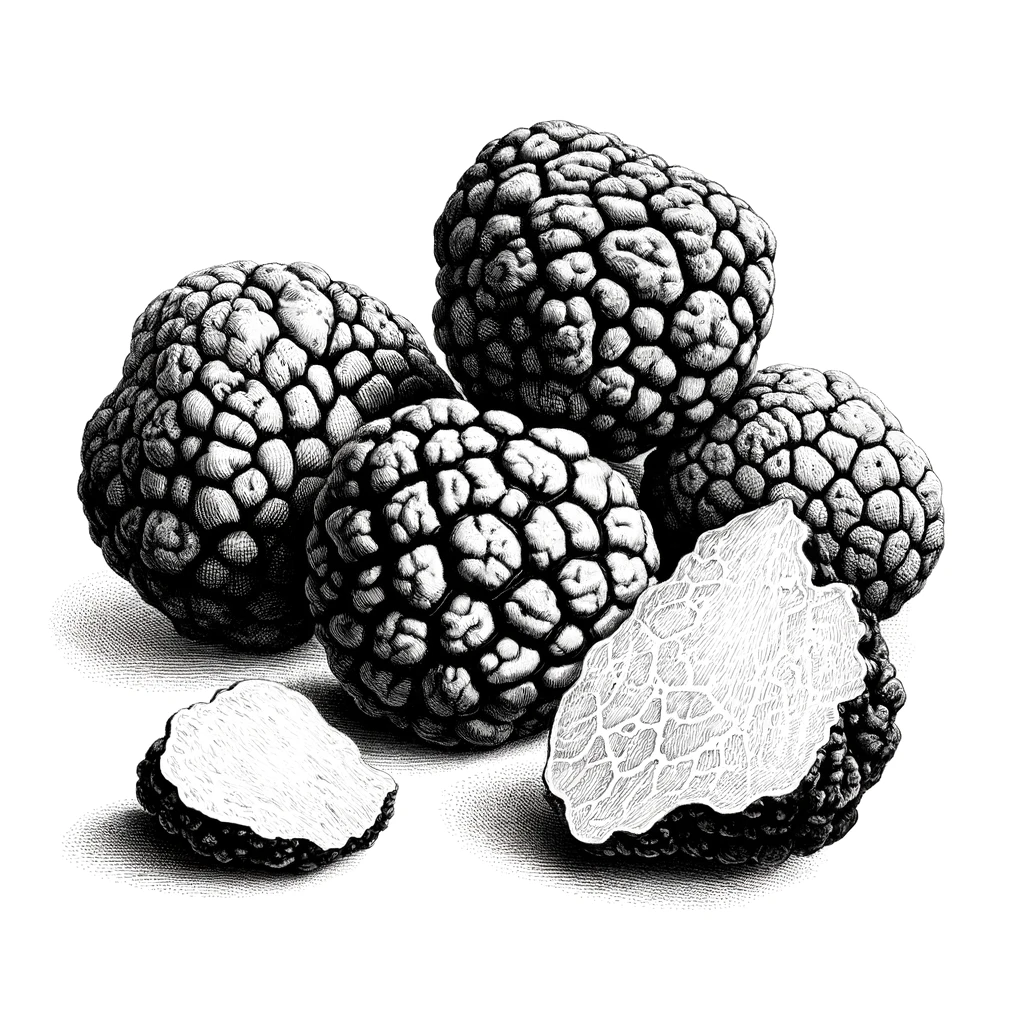
Exploring the effect of microdosing psychedelics on creativity in an open-label natural setting
Read More
This study is the first to quantitatively investigate the effects of microdosing psychedelics on creativity. It found that microdosing truffles, which contain psilocybin, improved both convergent and divergent thinking without affecting fluid intelligence, suggesting the potential of microdosing psychedelics as cognitive enhancers.

Psilocybin Desynchronizes the Human Brain
Read More
This study provides detailed insights into how psilocybin affects the human brain, highlighting its potential to induce both acute and lasting changes in brain network organization. The findings contribute to our understanding of the neural mechanisms underlying the subjective effects of psychedelics and their potential therapeutic applications.

Psychedelic Cognition—The Unreached Frontier of Psychedelic Science
Read More
This comprehensive review analyzes the current state of research on the acute cognitive effects of psychedelics, highlighting the need for more rigorous studies in naturalistic settings and across various doses to fully understand their potential therapeutic and transformative applications.

Seeking the Psilocybiome: Psychedelics Meet the Microbiota-Gut-Brain Axis
Read More
Researchers are exploring the connection between the psychedelics produced by fungi/flora and the endogenous psychedelics produced within the human body. These compounds, which share similar chemical structures, may play roles in protecting the brain, acting as neurotransmitters, and combating depression through the gut-brain axis.
Psychedelic Agents in Creative Problem-Solving: A Pilot Study
Read More
A preliminary study exploring the impact of psychedelics on creative problem-solving in 27 professionally employed males found that, when administered in a structured setting with preparation, psychedelics appear to enhance creative problem-solving, especially during the “illumination phase.” The effects on increased creativity were observed to last for several weeks after the session.
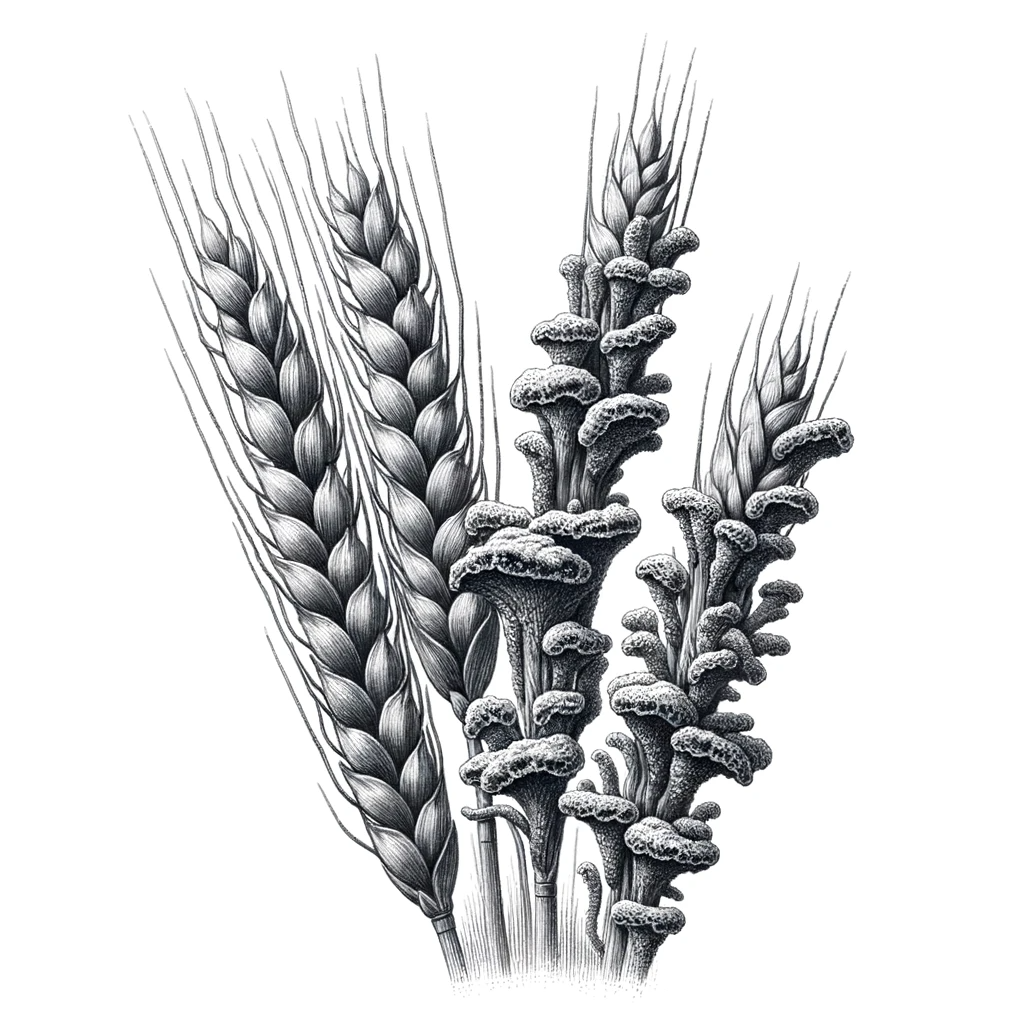
Spontaneous and Deliberate Creative Cognition During and After Psilocybin Exposure
Read More
A study using a double-blind, placebo-controlled design showed that psilocybin can differentially affect creative thinking, with an immediate increase in spontaneous creative insights but a decrease in task-based creativity, and a rise in novel ideas seven days later. This change in creativity is linked to connectivity within the default mode network, as shown by ultrahigh field multimodal brain imaging, suggesting psychedelics may be a useful tool to explore creativity and its underlying neural mechanisms.
Papers and Patents Are Becoming Less Disruptive Over Time
Read More
Despite theories that accumulated knowledge should spur major advances in science and technology, a large-scale analysis of research papers and patents over six decades reveals a contrary trend: papers and patents are increasingly less likely to make disruptive breakthroughs. This decline in innovation is not due to changes in the quality of published science or citation practices, but rather suggests a fundamental shift in the nature of science and technology, potentially linked to a narrowing use of previous knowledge.

Out of the Box: A Psychedelic Model to Study the Creative Mind
Read More
This article discusses how the brain networks involved in creativity can be affected by psychedelics. The authors propose a model to study how psychedelics induce flexible thinking, which includes brain networks, neurotransmitters, and personal factors.
LSD and Creativity: Increased Novelty and Symbolic Thinking, Decreased Utility and Convergent Thinking
Read More
This study investigated the impact of LSD on creativity in 24 healthy volunteers using a range of tasks and creativity assessments. Results showed LSD influenced creativity through three phenomena: increased novelty and originality (‘pattern break’), decreased utility and convergent thinking (‘disorganization’), and enhanced symbolic thinking and ambiguity (‘meaning’), suggesting LSD might aid in psychedelic-assisted therapy by shifting cognitive focus towards new ideas.
Psychedelics as Potential Catalysts of Scientific Creativity and Insight
Read More
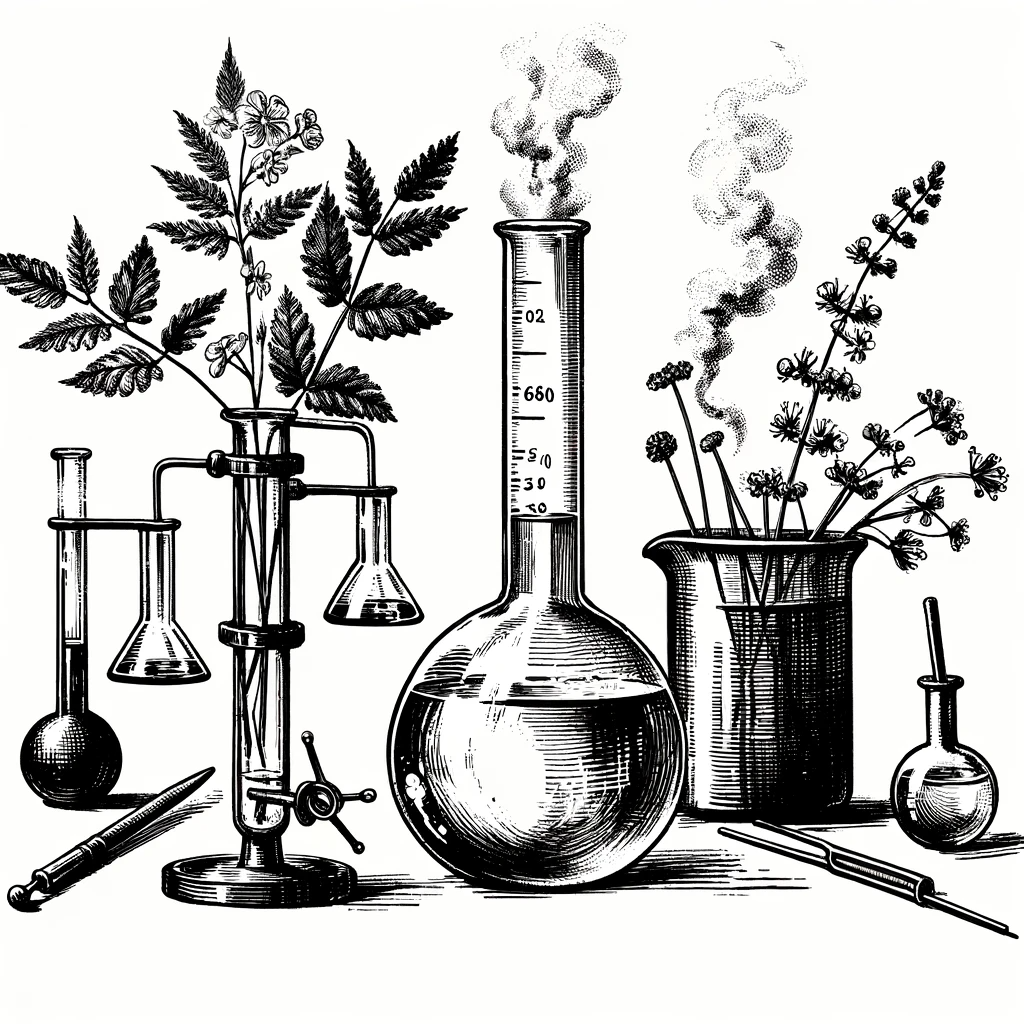
The article proposes that the dream, hypnagogic and psychedelic states share common features that make them conducive to supporting some aspects of scientific creativity and examines the putative underlying neurophenomenological and cognitive processes involved.

Conceptualizing Creativity Benefits of Nature Experience: Attention Restoration and Mind Wandering as Complementary Processes
Read More
This article suggests that spending time in natural environments enhances creativity through two mechanisms: attention restoration and mind wandering. It proposes that nature experiences facilitate a balance between external focus and internal mind wandering, improving attention control and creativity, and calls for research to explore these effects and their underlying processes.